
What Is Ectropion?
Ectropion is when the lower eyelid turns outward, away from the eye. This can leave the surface of the eye exposed and irritated.
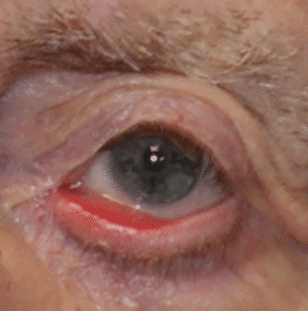
Common Symptoms:
- Red or watery eyes
- Eye discomfort or dryness
- Mucus, crusting, or discharge
- Redness of the eyelid
- In severe cases, damage to the front of the eye (cornea), which can affect vision
What Causes Ectropion?
Ectropion can be caused by:
- Loose or stretched eyelid skin (usually from aging)
- Scarring or skin changes under the eye
- Growths or lumps on the eyelid
- Changes in the cheek or surrounding facial structures
The lower eyelid is usually the one affected. Figuring out the exact cause is important for choosing the right treatment and deciding if a biopsy is needed.
How Is Ectropion Treated?
Ectropion is usually treated with a quick outpatient surgery to tighten and reposition the eyelid. The procedure is typically well-tolerated and often covered by insurance.
Dr. Stewart will explain the best treatment option for you during your appointment.
What is entropion?
Entropion is a condition where the eyelid turns inward, causing the eyelashes to rub against the surface of the eye. This can be painful and irritating.
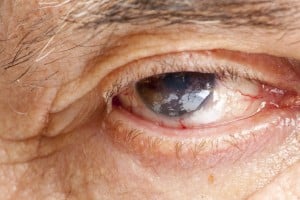
Common Symptoms:
- Feeling like something is in your eye
- Red, watery eyes
- Blurry vision
- Mucus or discharge
- Sensitivity to light
What Causes Entropion?
Entropion is often caused by:
- Loose or aging eyelid muscles
- Muscle movement pulling the lid inward when you blink
- Scarring or growths on the inside of the eyelid
- Certain medical conditions
A full exam is important to find the cause and decide if a biopsy is needed before treatment.
How It’s Treated
Entropion is usually fixed with a quick outpatient surgery that helps tighten and turn the eyelid back to its normal position. It’s a safe, well-tolerated procedure and is often covered by insurance.
Dr. Stewart will talk with you about the best treatment option for your individual needs during your appointment.
Drooping of the upper eyelids may interfere with your vision as it becomes more severe. When evaluating drooping upper lids, Dr. Stewart looks at your brow position, excess skin on the eyelids and the actual position of the eyelid on the eye.
Ptosis (Drooping from a Weak Eyelid Muscle)
Ptosis is when the upper eyelid droops because the muscle that lifts the eyelid isn’t working well. This can make it hard to fully open your eye, especially when you’re tired or looking upward. Some people are born with ptosis, but it often develops over time with age. You might notice:
- One or both eyelids sitting lower than normal
- Needing to raise your eyebrows or tilt your head back to see better
- Eyes feeling tired or heavy, especially later in the day
- Blurry or blocked vision from the drooping lid
How is it treated?
To fix ptosis, Dr. Stewart will tighten one of the muscles that lift the eyelid, called a ptosis repair. There are two main muscles that control this movement, and a “drop test” can help determine which one should be adjusted. This is a quick and safe test done in the office. The surgery to repair ptosis is typically a quick outpatient surgery to help your eyelid open properly again.
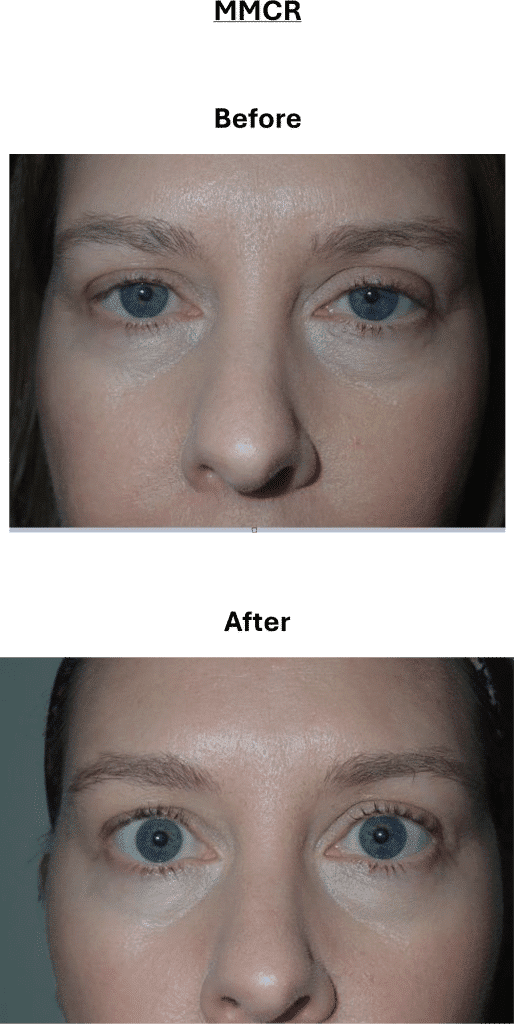
Dermatochalasis (Excess Eyelid Skin)
Dermatochalasis is the medical term for extra, loose skin on the upper eyelids. Over time, this skin can sag and even rest on or below your eyelashes, blocking your vision. It happens naturally with aging as the skin loses its firmness. You might notice:
- Loose, sagging skin hanging over your upper eyelids
- A “hooded” appearance of the eyes
- Trouble seeing a full field of vision, especially upward or to the sides
- Eyes feeling tired or heavy
How is it treated?
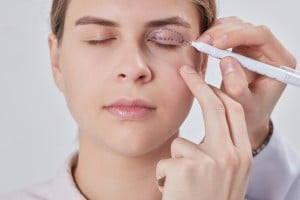
Dr. Stewart may recommend a procedure to remove the extra skin and improve your field of vision. This surgery, called upper eyelid blepharoplasty, may be covered by insurance when it affects your ability to see. The result is a more open, refreshed look—and better side or peripheral vision.
Brow Ptosis (Drooping Eyebrows Pressing on the Lids)
Brow ptosis is when your eyebrows fall below their normal position, often pressing down on the eyelids. This adds weight and can make the upper eyelids droop even more. Like other changes around the eyes, it typically happens with age. You might notice:
- Eyebrows that sit lower than they used to
- A constant heavy or tired feeling around the eyes
- Vision blocked from both drooping lids and brows
- Forehead wrinkles from frequently raising your brows to see better
Why does it matter?
It’s important to know whether the heaviness is from the brows, the eyelids, or both. Removing skin from the eyelids alone won’t solve the problem if brow ptosis is the main cause—and removing too much skin when the brows are low can cause complications.
How is it treated?
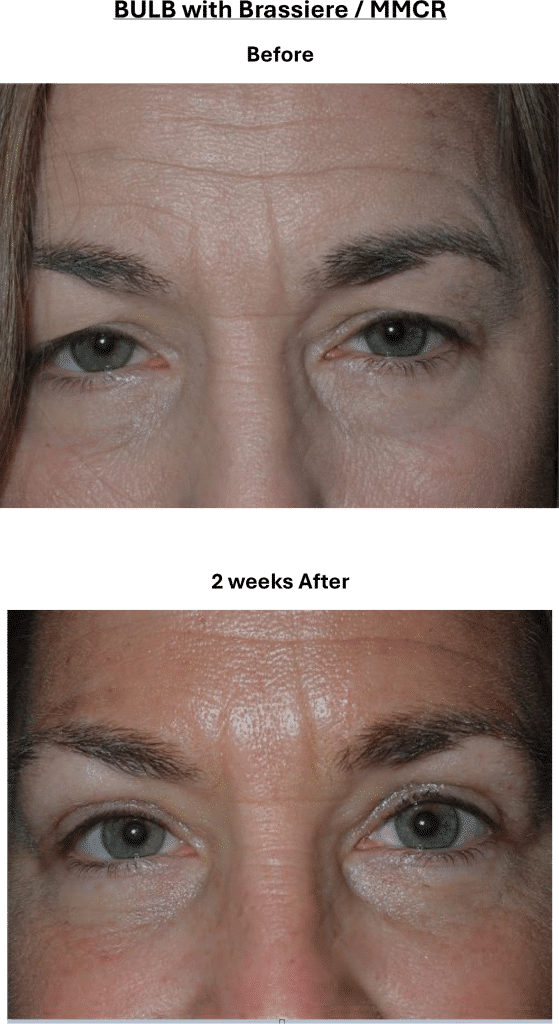
Dr. Stewart will assess your brow position during your exam. If brow ptosis is present, she may recommend a brow lift to gently raise the eyebrows and reduce the pressure on the eyelids. This ensures a safer, longer-lasting result that looks natural and improves vision.
Common Brow Lifting Techniques Include:
- Direct Brow Lift: This procedure involves making an incision above the brows to directly raise the eyebrows. This leaves a scar on the face, which may be hidden under bangs, within a wrinkle or at the top of the brow hairs. It provides the best brow lift but is not right for all patients given the possible scar.
- Internal Browpexy: This minimally invasive technique is combined with an upper eyelid blepharoplasty to provide support and subtle lift to the lateral brows with a quick recovery and no additional incisions. This is best suited for patients with mild brow ptosis.
- Endoscopic Brow Lift: This minimally invasive method uses small incisions hidden in the hairline and a tiny camera (endoscope) to lift and reposition the brows. It results in minimal scarring and a quicker recovery time. This is unlikely to be covered by insurance.
- Traditional (Coronal) Brow Lift: This technique involves a longer incision across the scalp, allowing for greater lifting and skin removal. It’s ideal for patients needing more significant correction but typically has a longer healing period. This is unlikely to be covered by insurance.
Temporal (Limited Incision) Brow Lift:
Focused on lifting the outer portions of the brows, this approach uses smaller incisions near the temples. It’s a less invasive option with shorter recovery, best suited for mild to moderate brow sagging. This is unlikely to be covered by insurance.
Putting It All Together
Every patient is different, and in many cases, more than one of these issues—ptosis, extra skin, and drooping brows—can occur at the same time. For the best outcome, it’s important to address each part of the problem. During your consultation, Dr. Stewart will:
- Perform a detailed exam of your eyelids, brows, and muscles
- Explain what’s causing your symptoms
- Create a personalized plan that may include one or more procedures performed in one session
- Discuss what may or may not be covered by insurance
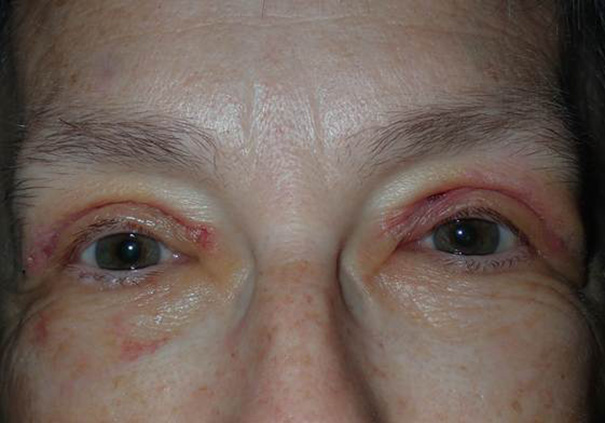
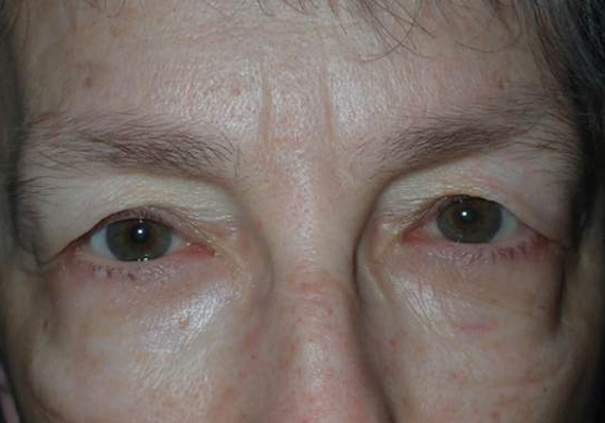
The eyelids are often exposed to the sun and other environmental factors, making them susceptible to skin cancers. These cancers can affect the delicate skin around the eyes and may vary in severity.
Signs to Watch For:
- A new growth, lump, or sore on the eyelid
- Changes in size, shape, or color of a mole or spot
- Redness, swelling, or crusting on the eyelid
- Bleeding or oozing from the eyelid
- Disruption in the eyelashes if the bump is along the lash line
Common Types:
- Basal Cell Carcinoma: The most common eyelid cancer, usually slow-growing and rarely spreads.
- Squamous Cell Carcinoma: Can be more aggressive and may spread if untreated.
- Melanoma: A serious type of skin cancer that can develop on the eyelid and requires prompt treatment.
Diagnosis and Treatment:
Early diagnosis is key. If you notice any suspicious changes on your eyelids, contact Dr. Stewart for an evaluation and possible biopsy. Dr. Stewart will help you understand your results and guide you through your treatment options. It’s important to see an eyelid specialist like Dr. Stewart to make sure your eyelids heal properly, especially after removal of eyelid cancers. The eyelid is a delicate and complex area, and expert care is needed for the best results.
Treatment may involve:
- Surgical removal of the cancerous tissue
- Mohs surgery for precise excision with reconstruction with Dr. Stewart
- Additional therapies depending on the cancer type and stage
Blepharospasm is a neurological condition that causes unintentional, repetitive blinking or twitching of the eyelids. In some cases, the spasms can become strong enough to force the eyes closed, interfering with activities like reading, driving, or working.
Causes and Symptoms:
- The exact cause is unknown but may involve abnormal nerve signals to the muscles around the eyes.
- Symptoms include uncontrollable eyelid twitching, increased blinking, and eye irritation.
- It typically affects both eyes and can worsen with stress or fatigue.
Treatment Options:
While blepharospasm can be challenging, several treatments can help manage symptoms, including:
- Neurotoxin (Botox) injections to relax the eyelid muscles
- Oral medications
- In rare or severe situations, surgical options may be considered
If you experience frequent or severe eyelid spasms, Dr. Stewart can help provide options to improve your quality of life.
Even minor eyelid injuries can have lasting effects, impacting both function and appearance of the eyelids and face. Common causes include animal bites, accidents, sports injuries, and assaults. These injuries may result in scarring, difficulty closing the eyes, or excessive tearing, and often require expert surgical repair to avoid complications.
Specialists in eyelid trauma surgery, like Dr. Stewart, focus on restoring both form and function. Treatment may involve repairing complex structures, including the delicate tear drainage system. If you’ve experienced an eyelid or eye area injury, Dr. Stewart can help support a full recovery. As a board-certified ophthalmologist, Dr. Stewart can also evaluate and address any damage that may have occurred to your eye or vision.
Floppy Eyelid Syndrome (FES) is a condition where the upper eyelids become unusually loose, floppy, and prone to folding or turning outward. This can cause irritation, redness, discharge and discomfort, especially when waking in the morning. Floppy eyelid syndrome of often linked to obstructive sleep apnea, so Dr. Stewart may recommend a sleep study if you are not already diagnosed.
With Floppy eyelid syndrome, you might notice:
- Easily everted (turned outward) upper eyelids
- Eye redness and irritation
- Excessive tearing or dryness
- Sensitivity to light
- Frequent eye rubbing or discomfort, especially in the morning
Treatment Options:
Treatment focuses on protecting the eyes and improving eyelid stability and may include:
- Lubricating eye drops
- Medicated ointments to use overnight
- Surgical tightening of the eyelids in more severe cases
Chalazion or Stye
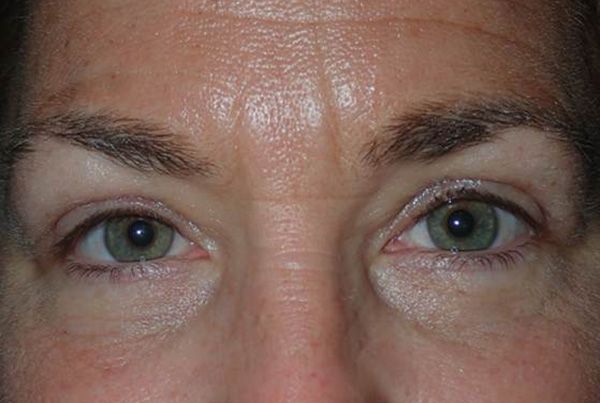
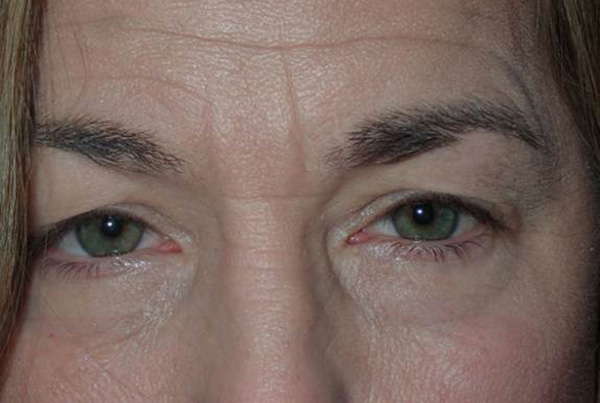
A chalazion or stye forms when one of the small oil glands of the eyelid becomes blocked. The oil that is produced in the glands backs up as it cannot be released, and the result is a lump on the eyelid. The bump may be skin colored or red, and it is often sore for the first few days. This is a result of inflammation within the eyelid. Most chalazia or styes are not infections.
You might notice:
- A firm, round lump on the eyelid
- Mild redness or swelling of the eyelids
- Possible blurred vision if the lump presses on the eye
- Tenderness or irritation
Treatment:
Most chalazia improve on their own or with simple home care, including:
- Warm compresses to help unblock the gland 4-6 times daily
- Gentle eyelid massage after a warm compress
- Keeping the eyelid clean and makeup free
When a chalazion becomes increasingly painful, or does not resolve within a few weeks, further treatment is often necessary. Dr. Stewart may suggest further treatment options including:
- Oral medications including oral antibiotics
- Medicated eye drops or ointments
- A steroid injection to resolve the inflammation surrounding the blocked oil gland
- Surgical incision and drainage
Preventing Chalazion
There are some simple steps you can take to prevent future chalazia:
- Maintain good eyelid hygiene: Regularly clean your eyelids using a gentle facial or eyelid cleanser
- Avoid rubbing your eyes: This can irritate the glands and increase the chance of blockage.
- Remove makeup thoroughly: Make sure to completely remove eye makeup before sleeping to prevent clogging of oil glands.
- Use warm compresses: Applying warm compresses periodically can help keep oil glands open and functioning properly.
- Manage underlying conditions: If you have blepharitis or other eyelid inflammations, Dr. Stewart will recommend a treatment regimen specific to your conditions to minimize your risk of recurrent chalazia.
Corneal neurotization is a specialized surgical procedure used to restore sensation to a damaged or numb cornea (the clear front surface of the eye). Loss of corneal sensation can result from injury, infection, surgery, or certain diseases and can lead to dry eye, ulcers, and significant vision loss.
A healthy cornea needs proper nerve signals to stay moist and protect itself. When these nerves are damaged (a condition called neurotrophic keratopathy), the eye loses its natural protective reflexes and the growth and healing factors transmitted via the nerves. Corneal neurotization surgery helps restore nerve function and sensation, improving eye health and reducing the risk of further damage.
How Does It Work?
The procedure involves rerouting healthy nerves from a nearby area (like the forehead or scalp) to the cornea. These nerves grow into the cornea over time and restore feeling. There are two main approaches:
- Direct neurotization: A nerve from the forehead is tunneled to the eye.
- Indirect (grafted) neurotization: A nerve graft is used to bridge the gap between a healthy nerve and the cornea.
Is it Effective?
Most patients experience improved corneal sensation and eye surface health. Nerve growth is very slow, so it often takes many months to see improvement in the corneal surface. It is important to continue to care for your eye as if it cannot feel following surgery.
Dr. Stewart has performed numerous corneal neurotization surgeries and has done extensive research on regeneration of nerves. She will perform a thorough examination and discuss options for neurotization with you at your evaluation.