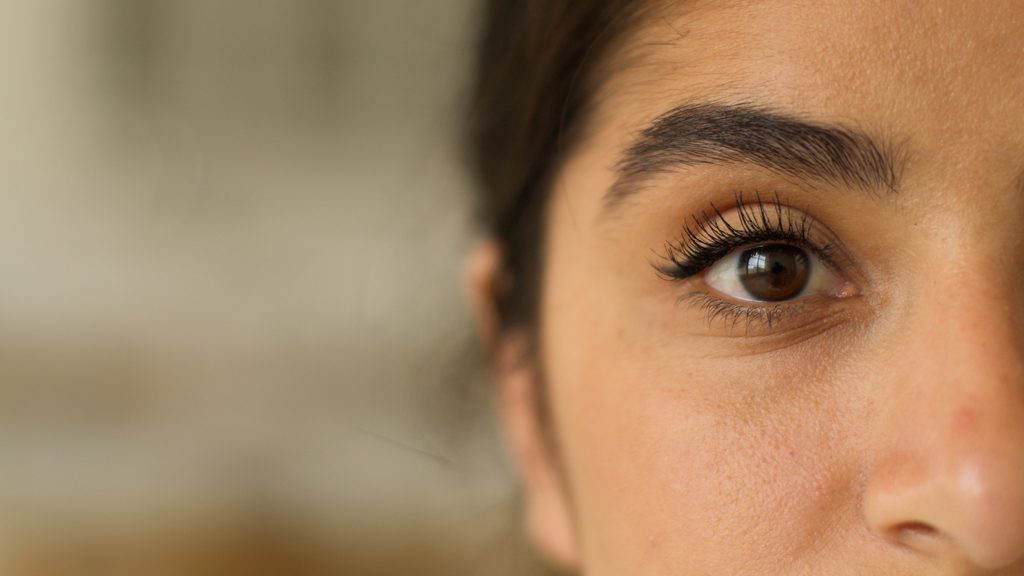
Eyelid and facial plastic surgery treats concerns involving the eyelids, brows, eye sockets, and tear drainage system. These procedures can improve comfort or vision, repair injuries, or change the appearance of the eye area.
With offices in Northwest Austin and Westlake, Austin Eye brings specialized eye care close to home. Our team features several skilled providers, including Krista Stewart, MD, a board-certified ophthalmologist with ASOPRS fellowship training at the University of Minnesota and Mayo Clinic.
Cosmetic Eyelid and Face
Cosmetic eyelid and facial treatments can improve the appearance of your eyelids, brows, lashes, and surrounding skin through surgical and nonsurgical procedures.
- Upper Eyelid Lift: Blepharoplasty removes excess upper eyelid skin and sometimes fat.
- Lower Eyelid Bags: Lower blepharoplasty reduces puffiness and loose under-eye skin.
- Eyebrow Lift: Brow lifting raises low eyebrows that weigh down eyelids.
- Asian Blepharoplasty: Surgery can adjust an eyelid crease or preserve a monolid.
- Eyelid Lesions and Bumps: Cysts, skin tags, and other growths may need removal.
- Neurotoxin Injections: BOTOX® Cosmetic and similar injections temporarily soften expression lines.
- Microneedling: Tiny needles stimulate collagen production to improve skin texture.
- Eyelash Lifting and Tinting: Nonsurgical treatments lift and darken the appearance of lashes.
- Facial Laser and Light Treatments: Light-based treatments can improve selected facial skin concerns.
For costs, review our cosmetic surgery pricing.
Reconstructive Eyelid and Face
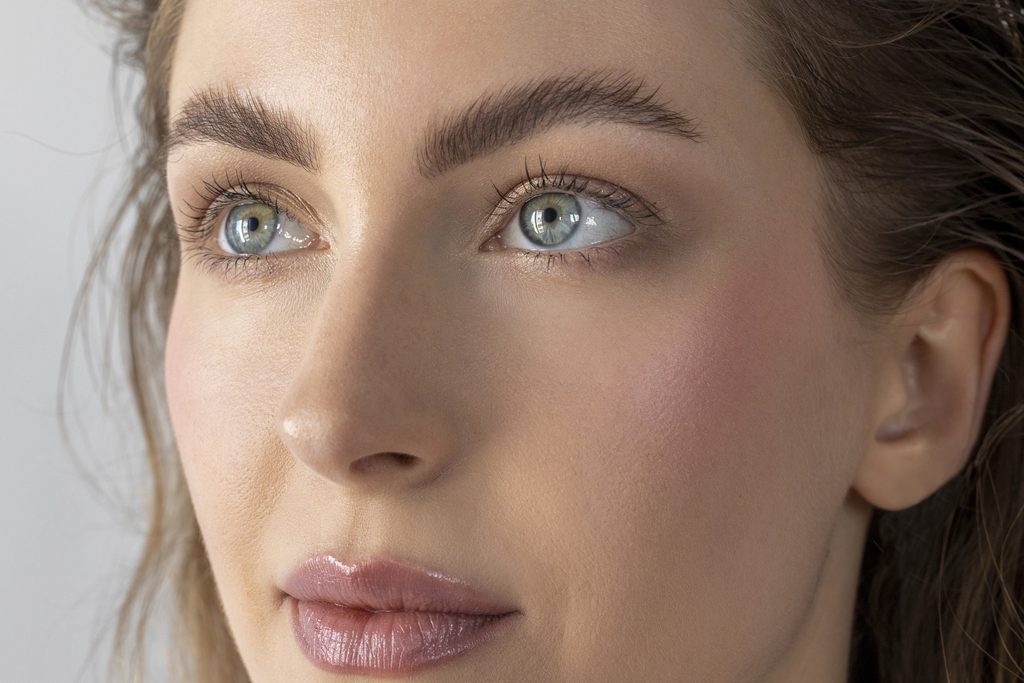
Reconstructive eyelid and facial procedures correct structural problems, injuries, and medical conditions that affect your eyelids, vision, or eye protection.
- Ectropion: Repair repositions an outward-turning eyelid to protect the eye.
- Entropion: Surgery corrects an inward-turning lid that rubs against the eye.
- Drooping Eyelids: Ptosis repair lifts lids that interfere with vision.
- Skin Cancer of the Eyelid: Reconstruction restores eyelid structure following skin cancer removal.
- Blepharospasm (Eyelid Spasm): Injections can reduce involuntary eyelid squeezing and blinking.
- Eyelid Trauma: Repair treats eyelid injuries and damaged surrounding tissue.
- Floppy Eyelid Syndrome: Treatment helps with loose lids that irritate the eye.
- Chalazion or Stye: Persistent lumps sometimes need medication, injections, or drainage.
- Corneal Neurotization: Nerve-transfer surgery aims to restore sensation to a damaged cornea.
Eye Socket (Orbit)
The eye socket, also called the orbit, contains and protects your eye. Orbital treatments address conditions involving its bones, muscles, nerves, and surrounding tissues.
- Thyroid Eye Disease: Care may involve medication or surgery for swelling and bulging.
- Orbital Tumors: Imaging guides monitoring, biopsy, or surgery for orbital masses.
- Eye Socket Trauma: Treatment evaluates fractures, eye movement, and surrounding tissue.
- Inflammatory Orbital Disease: Testing guides care for painful inflammation around the eye.
- Prosthetic Eyes: After medically necessary eye removal, socket surgery supports a prosthesis.
Tear Drain (Lacrimal)
The lacrimal system helps tears drain from your eyes into your nose, and treatment can correct blockages or structural problems that cause excessive tearing and irritation.
- Assessment of Watery Eyes: Testing identifies irritation, eyelid problems, or drainage blockages.
- Nasolacrimal Duct Obstruction: Treatment helps tears drain when the duct is blocked.
- Punctal Defects: Minor procedures may repair narrowed or damaged tear openings.
- Eyelid Laxity: Tightening loose lids may improve tear drainage.
- Endoscopic Lacrimal Surgery: Selected tear duct procedures use an incision-free nasal route.
- CDCR With Jones Tube: A small glass tube bypasses severely scarred tear ducts.
Pediatric Oculoplastic Care
Pediatric oculoplastic care involves diagnosing and treating eyelid, eye socket, and tear drainage conditions in children, including problems present at birth or those that develop later.
- Congenital Ptosis: Drooping lids may require monitoring or surgery to protect vision.
- Orbital Dermoid: These usually benign cysts near the brow sometimes need removal.
- Craniofacial Defects: Evaluation considers how structural differences affect eye health.
- Chalazion or Stye: Persistent childhood eyelid bumps may need medical treatment.
- Nasolacrimal Duct Obstruction and Tearing: Some blocked tear ducts require probing or surgery.
- Pediatric Tumors: Eye socket masses may need imaging and additional treatment.
Recovering From Eyelid Surgery
Bruising and swelling are typical for one to two weeks. Sudden vision changes or severe pain require prompt medical attention. Read our eyelid surgery recovery instructions.
Why Choose Austin Eye for Eyelid and Facial Plastics in Austin?
Patients choose Austin Eye Clinic for eyelid and facial plastic surgery guidance from experienced providers, including Dr. Krista Stewart, who completed her ophthalmology residency at the University of Michigan Kellogg Eye Center before her oculoplastic fellowship. Her surgical background includes cosmetic and reconstructive eyelid procedures, tear drain surgery, and orbital conditions.
When you work with us, your evaluation goes beyond the visible eyelid. We’ll examine brow position, eyelid muscle function, and the eye’s surface to understand what’s causing your symptoms, then discuss treatment options and what healing may involve.
Frequently Asked Questions
No. Surgery may restore eyelid function, improve a blocked field of vision, or repair damage from injury or disease.
Coverage depends on your insurance policy and medical necessity. Cosmetic procedures generally aren’t covered, while some functional repairs may qualify.
Yes. Dryness may affect healing and comfort. Tell Dr. Stewart about your symptoms so she can evaluate your eye’s surface before recommending surgery.
Discuss Your Eyelid and Facial Plastics Options in Austin
For care involving your eyelids, eye sockets, or tear ducts, call Austin Eye in Austin, TX, at 512-250-2020. You can also contact us (opens in new tab) to arrange a visit.